India’s state birds are more than official symbols. They are living markers of geography, culture, altitude, climate and conservation priorities. From the Indian Roller of the open plains to the Black-necked Crane of the high trans-Himalaya, these birds tell a story about how varied the country’s landscapes really are.
This guide brings together the state and Union Territory birds of India in one place, followed by a species snapshot that includes a short description, endangered status, habitat, threats and one interesting feature for each bird.
Summary
- India’s 28 states and 8 Union Territories in this list represent 36 political units but only 26 distinct bird species.
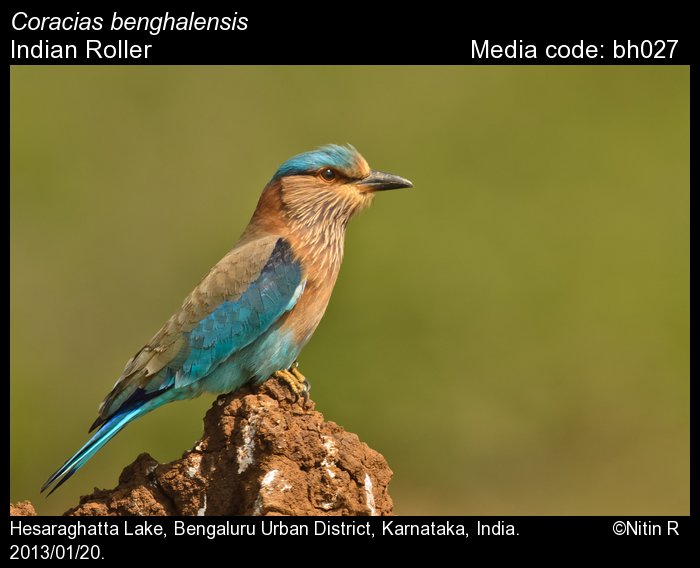
- The most commonly selected state bird is the Indian Roller, used by Andhra Pradesh, Karnataka, Odisha and Telangana.
- The most severe conservation warning in this list belongs to the Great Indian Bustard, while the White-winged Wood Duck also faces an extremely high level of concern in recent summaries.
- Himalayan and trans-Himalayan symbols stand out for altitude specialization: Himalayan Monal, Blood Pheasant, Western Tragopan, Blyth’s Tragopan and Black-necked Crane.
- Island territories reflect island ecology well, especially the Andaman Wood Pigeon and the oceanic Sooty Tern.
Status note: conservation categories below were checked as a working snapshot on April 26, 2026. Two species often show legacy-category differences across online references: this article follows a current-use snapshot of Critically Endangered for White-winged Wood Duck and Near Threatened for Black-necked Crane, while some older India-focused pages still show earlier categories.
Short Description
A complete and reader-friendly overview of Indian state birds, covering every state and Union Territory along with conservation context, habitats, risks and memorable traits.
Indian State Birds: States
| State | Official Bird |
|---|---|
| Andhra Pradesh | Indian Roller |
| Arunachal Pradesh | Great Hornbill |
| Assam | White-winged Wood Duck |
| Bihar | House Sparrow |
| Chhattisgarh | Hill Myna |
| Goa | Flame-throated Bulbul |
| Gujarat | Greater Flamingo |
| Haryana | Black Francolin |
| Himachal Pradesh | Western Tragopan |
| Jharkhand | Asian Koel |
| Karnataka | Indian Roller |
| Kerala | Great Hornbill |
| Madhya Pradesh | Indian Paradise Flycatcher |
| Maharashtra | Yellow-footed Green Pigeon |
| Manipur | Mrs. Hume’s Pheasant |
| Meghalaya | Hill Myna |
| Mizoram | Mrs. Hume’s Pheasant |
| Nagaland | Blyth’s Tragopan |
| Odisha | Indian Roller |
| Punjab | Northern Goshawk |
| Rajasthan | Great Indian Bustard |
| Sikkim | Blood Pheasant |
| Tamil Nadu | Emerald Dove |
| Telangana | Indian Roller |
| Tripura | Green Imperial Pigeon |
| Uttar Pradesh | Sarus Crane |
| Uttarakhand | Himalayan Monal |
| West Bengal | White-throated Kingfisher |
Indian State Birds: Union Territories
| Union Territory | Official Bird |
|---|---|
| Andaman & Nicobar Islands | Andaman Wood Pigeon |
| Chandigarh | Indian Grey Hornbill |
| Dadra & Nagar Haveli and Daman & Diu | Flame-throated Bulbul |
| Delhi | House Sparrow |
| Jammu & Kashmir | Black-necked Crane |
| Ladakh | Black-necked Crane |
| Lakshadweep | Sooty Tern |
| Puducherry | Asian Koel |
Species Snapshot: Status, Habitat, Threats and Interesting Features
| Bird | Used By | Short Description | IUCN Status | Habitat | Main Threats | Interesting Feature |
|---|---|---|---|---|---|---|
| Indian Roller | Andhra Pradesh, Karnataka, Odisha, Telangana | A stocky blue-and-brown roller often seen on wires, roadside trees and open country. | Least Concern | Open woodland, scrub, farmland, villages and roadside tree belts. | Pesticide pressure, loss of nesting cavities and road mortality. | Its electric-blue wing flashes become spectacular during rolling courtship flights. |
| Great Hornbill | Arunachal Pradesh, Kerala | A giant forest hornbill with a huge yellow casque and deep, whooshing wingbeats. | Vulnerable | Mature evergreen and moist deciduous forests, especially in the Western Ghats and northeast India. | Logging, fragmentation and hunting for meat, feathers and body parts. | The female seals herself inside a tree cavity while nesting, leaving only a narrow slit for food delivery. |
| White-winged Wood Duck | Assam | A rare, secretive forest duck with pale head markings and bold white wing patches. | Critically Endangered | Forested swamps, oxbow lakes, slow streams and wet evergreen forest with old nest trees. | Wetland drainage, felling of hollow trees, disturbance and hunting. | It is one of Asia’s rarest ducks and is often most active in the quieter hours around dusk and night. |
| House Sparrow | Bihar, Delhi | The familiar small brown urban bird that has lived beside people for centuries. | Least Concern | Settlements, markets, farms, sheds, rooftops and building cavities. | Modern construction reducing nest sites, lower insect availability and urban pollution. | Though adults eat grain, nestlings depend heavily on insects. |
| Hill Myna | Chhattisgarh, Meghalaya | A glossy black forest starling with orange-yellow wattles and a rich whistling voice. | Least Concern | Moist forests, forest edges and wooded plantations. | Cage-bird trapping and local habitat loss. | It is famous for unusually clear mimicry of human speech and other sounds. |
| Flame-throated Bulbul | Goa, Dadra & Nagar Haveli and Daman & Diu | A bright yellow bulbul with a glowing orange-red throat patch. | Least Concern | Western Ghats evergreen and moist deciduous forests. | Fragmentation and degradation of hill forests. | This colorful species is endemic to the Western Ghats. |
| Greater Flamingo | Gujarat | A tall pale flamingo with a pink wash and a black-tipped pink bill. | Least Concern | Salt pans, lagoons, mudflats, estuaries and large inland saline wetlands. | Breeding-site disturbance, wetland pollution and water-regime change. | It filter-feeds with its head upside down using a highly specialized bill. |
| Black Francolin | Haryana | A boldly patterned ground bird of grassy cover and farmland edges. | Least Concern | Grasslands, scrub, reedbeds and cultivated landscapes with dense cover. | Hunting pressure and loss of cover-rich ground habitat. | Males are often detected first by their ringing territorial calls. |
| Western Tragopan | Himachal Pradesh | A spectacular but elusive high-Himalayan pheasant of dense understory. | Vulnerable | Temperate broadleaf-conifer forests with thick shrubs and steep slopes. | Habitat fragmentation, grazing pressure and hunting. | The displaying male shows inflatable blue throat skin and horn-like fleshy tufts. |
| Asian Koel | Jharkhand, Puducherry | A slender cuckoo best known for its repetitive, far-carrying summer call. | Least Concern | Gardens, groves, urban trees and woodland edge. | Local tree-cover loss and reduced host-nest availability. | It is a brood parasite that commonly lays eggs in crow nests. |
| Indian Paradise Flycatcher | Madhya Pradesh | An elegant flycatcher whose adult males can develop dramatic ribbon-like tail streamers. | Least Concern | Woodland, bamboo patches, shaded ravines and well-treed gardens. | Forest-edge degradation and insect decline linked to pesticide use. | The same species can show rufous or white adult male plumage. |
| Yellow-footed Green Pigeon | Maharashtra | A soft green fruit-eating pigeon with yellow legs and subtle lilac shoulder tones. | Least Concern | Dry deciduous woodland, orchards, banyan and fig trees, and urban green patches. | Loss of fruiting trees and local hunting. | It can vanish visually among leaves even when perched in plain sight. |
| Mrs. Hume’s Pheasant | Manipur, Mizoram | A large brown-and-blue pheasant of the hill forests of northeast India. | Vulnerable | Open forest, bamboo, secondary growth and hilly scrub-forest mosaics. | Hunting, fragmentation and shifting-cultivation pressure. | It is known locally as Nongin in Manipur and Vavu in Mizoram. |
| Blyth’s Tragopan | Nagaland | A large red-and-buff tragopan of cool montane forest. | Vulnerable | Evergreen oak, rhododendron and mixed montane broadleaf forest. | Snaring, hunting and degradation of high-elevation forest. | Community-led conservation in Nagaland has become closely linked with this bird. |
| Northern Goshawk | Punjab | A powerful woodland hawk built for speed and sudden pursuit through trees. | Least Concern | Forests, wooded countryside, shelterbelts and large groves. | Persecution, disturbance near nests and prey decline in some areas. | Juveniles look very different from adults, with streaked underparts instead of gray barring. |
| Great Indian Bustard | Rajasthan | A heavy, long-necked grassland bird and one of India’s rarest endemic birds. | Critically Endangered | Arid grasslands, scrub-desert and semi-arid plains. | Power-line collision, habitat conversion, disturbance and a very slow breeding rate. | During display the male inflates a striking white throat pouch like a balloon. |
| Blood Pheasant | Sikkim | A compact cold-climate pheasant marked with crimson streaking. | Least Concern | Rhododendron scrub, conifer edge and alpine meadows near treeline. | Localized habitat disturbance and long-term pressure on alpine habitat. | It is well adapted to snowy Himalayan slopes. |
| Emerald Dove | Tamil Nadu | A small jewel-like dove with an emerald wing patch and rich chestnut body. | Least Concern | Evergreen forest, secondary forest, groves and shaded plantations. | Understory loss and local trapping. | Unlike many pigeons, it often walks quietly on the forest floor. |
| Green Imperial Pigeon | Tripura | A large canopy pigeon with pale gray head and glossy green-bronze wings. | Least Concern | Evergreen and moist deciduous forest with large fruiting trees. | Loss of large trees and hunting. | It helps disperse large forest seeds by swallowing big fruits whole. |
| Sarus Crane | Uttar Pradesh | The world’s tallest flying bird, famous for towering posture and pair-bond displays. | Vulnerable | Marshes, village ponds, shallow wetlands and seasonally flooded farmland. | Wetland loss, disturbance, toxic chemicals and wire strikes. | Pairs perform synchronized dances and loud duets that reinforce long-term bonds. |
| Himalayan Monal | Uttarakhand | An iridescent pheasant with metallic rainbow plumage and a green crest. | Least Concern | Upper temperate forest, alpine meadows and grassy slopes in the Himalaya. | Hunting, disturbance and localized habitat degradation. | The male’s colors shift dramatically with changing light angles. |
| White-throated Kingfisher | West Bengal | A vivid turquoise-and-chestnut kingfisher with a clean white throat. | Least Concern | Wetlands, fields, villages, city parks and even dry open country. | Pesticides, polluted water bodies and loss of perches. | Despite its name, it hunts lizards, insects and crabs as readily as fish. |
| Andaman Wood Pigeon | Andaman & Nicobar Islands | A dark island pigeon with a pale head and a highly restricted Indian range. | Near Threatened | Dense evergreen forest and forested islands of the Andaman and Nicobar archipelago. | Forest loss, invasive predators and the risk that comes with a small range. | It is endemic to the islands and therefore especially important as a regional symbol. |
| Indian Grey Hornbill | Chandigarh | A gray medium-sized hornbill that has adapted unusually well to Indian towns and cities. | Least Concern | Open woodland, avenue trees, groves and urban parks. | Loss of mature nesting trees and fruit-bearing trees. | Like larger hornbills, the female seals herself into the nest cavity during breeding. |
| Black-necked Crane | Jammu & Kashmir, Ladakh | An elegant high-altitude crane with a black neck, red crown patch and slow gliding flight. | Near Threatened | Alpine marshes, high-plateau wetlands and river valleys in the trans-Himalaya. | Wetland alteration, infrastructure pressure and disturbance near breeding grounds. | It has deep cultural value across the Tibetan Buddhist world. |
| Sooty Tern | Lakshadweep | An ocean-going seabird with dark upperparts, a white forehead and tireless flight. | Least Concern | Tropical seas; nests in dense breeding colonies on remote islands. | Egg predation, invasive species, severe weather and breeding-site disturbance. | It can spend years over open ocean and returns to land mainly to breed. |
Spotlight Birds
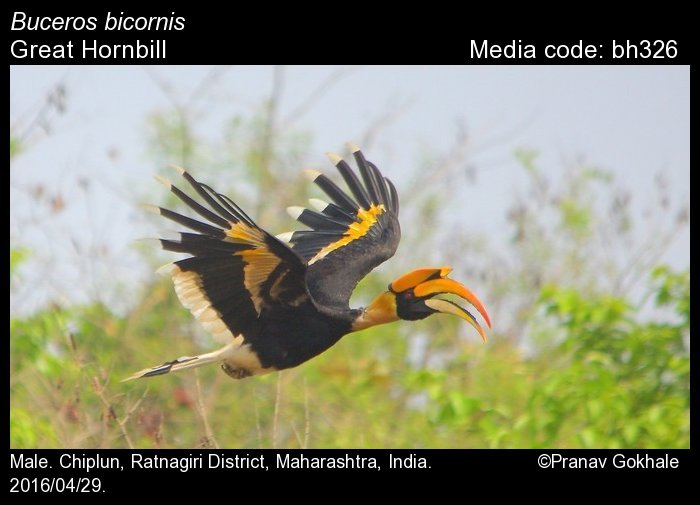
Great Hornbill
The Great Hornbill is one of the strongest examples of how a state bird can stand for an entire ecosystem. Arunachal Pradesh and Kerala both use it as a symbol, and that makes sense: the bird depends on large, old forests with giant nesting trees and fruiting canopies. It is especially associated with figs, and that fruit-rich diet also makes it a major long-distance seed disperser. When hornbill populations fall, forest regeneration suffers too.
Its Vulnerable status reflects a clear pattern: remove mature forest, and remove the hornbill. Hunting has also historically hurt populations, especially where the casque, feathers or meat were valued. Yet the species remains a conservation flagship because it is so visible, so charismatic and so tightly linked to healthy forest structure.

Great Indian Bustard
Rajasthan’s Great Indian Bustard is not only a state emblem. It is a conservation emergency. Once more widespread across India’s dry grasslands, it now survives in very small numbers. The bird needs wide open landscapes with low disturbance, but those grasslands are often misunderstood as “empty land” and diverted for infrastructure, intensive agriculture or energy development.
One of the most dangerous modern threats is collision with overhead power lines. Because the species is large, heavy and flies through open habitat, these lines can be deadly. The bustard’s Critically Endangered status is a reminder that state symbols are not always secure; some of them survive only because of intensive, ongoing conservation action.
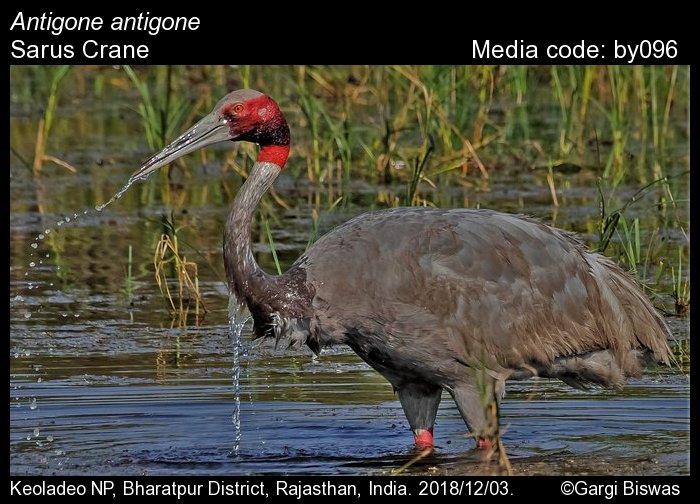
Sarus Crane
The Sarus Crane, chosen by Uttar Pradesh, is the tallest flying bird in the world and one of the most graceful symbols in this list. It thrives in marshes, village ponds and shallow agricultural wetlands, especially where traditional water regimes still survive. Unlike some secretive wetland birds, Sarus Cranes are conspicuous and socially expressive, with synchronized calls and dances that make them a favorite among birdwatchers and local communities alike.
Its Vulnerable status comes mainly from wetland loss, disturbance and chemical contamination. Even so, the species has shown that birds and working rural landscapes can coexist when water bodies remain functional and people tolerate nesting pairs near fields.
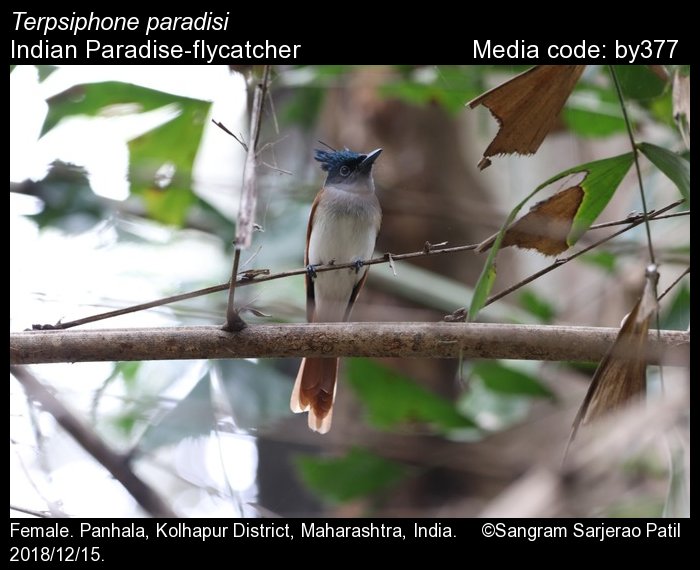
Indian Paradise Flycatcher
Madhya Pradesh’s Indian Paradise Flycatcher adds elegance to the state-bird list. Adult males can grow extraordinary tail streamers, and their plumage may appear either rufous or brilliant white depending on age and morph. Despite that beauty, the species is also an excellent insect hunter, making quick sallies from shaded perches in woodland and riverine groves.
Although globally listed as Least Concern, the bird still depends on healthy insect-rich habitats. Simplified woodland, pesticide-heavy landscapes and damaged forest edges can reduce the food base that supports breeding populations. It is a good example of a “common enough” bird that still benefits from habitat-sensitive planning.
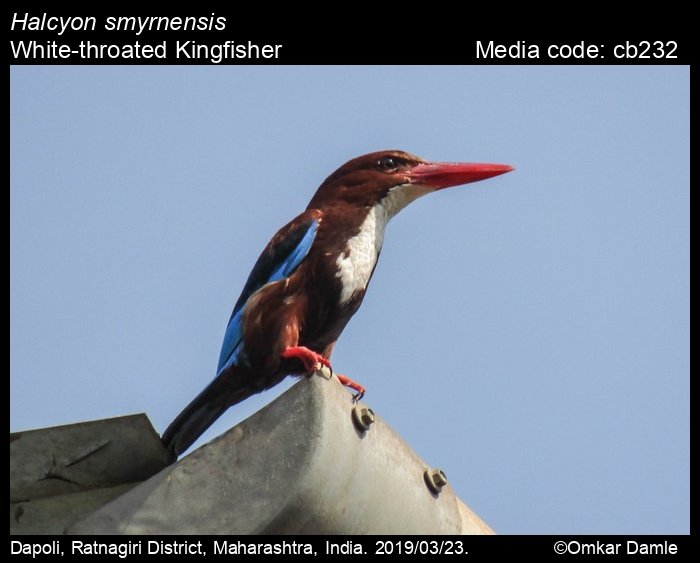
White-throated Kingfisher
West Bengal’s White-throated Kingfisher proves that a kingfisher does not need a pristine riverbank to thrive. It turns up beside ponds, wires, paddy fields, marshes, town parks and dry open country. Its broad diet helps it survive in many settings, and its bright chestnut, turquoise and white plumage makes it one of the most instantly recognizable birds in India.
That flexibility should not be mistaken for invulnerability. Polluted water bodies, pesticide use and the removal of perches still matter. The species remains common enough to be a strong public-facing conservation symbol precisely because people can see it close to home.
Why These Birds Matter
Together, India’s state birds reveal a clear ecological pattern. Plains and human-settled regions often favor adaptable species such as House Sparrow, Indian Roller and White-throated Kingfisher. Moist forest states favor hornbills, bulbuls and mynas. Himalayan states choose pheasants and cranes tied to altitude, snowlines and alpine wetlands. Island territories favor birds with extremely limited or highly specialized ranges.
That makes this list useful for more than trivia. It can be used in schools, tourism, biodiversity campaigns and local conservation messaging. A state bird is often the simplest doorway into a bigger conversation about forests, grasslands, wetlands, islands and how people share them with wildlife.
References
- IUCN Red List for global conservation-category framework and current category checking.
- BirdLife DataZone for bird conservation assessments, habitat context and threat framing.
- Birds of India for India-focused species pages and image sources used in this article.
- International Crane Foundation for Black-necked Crane overview and range notes.
- WWF India for India-focused context on the White-winged Wood Duck.